
Previous nasal surgery
A hole that develops after septal or nasal surgery — the single most common cause. About septoplasty →

Surgery to close a hole in your nasal septum — ending the whistling, crusting and nosebleeds — by an ENT reconstructive surgeon, with no change to how your nose looks.
A septum perforation is a hole through the nasal septum — the wall of cartilage and bone that separates your two nostrils. Because it lets air pass between the two sides of the nose, it can cause a whistling sound when you breathe, persistent crusting, nosebleeds and a blocked, dry feeling. Septum perforation surgery closes the hole and relieves these symptoms.
Perforations have a range of causes — most commonly a previous nasal or septal operation, but also injury, overuse of nasal sprays, damage to the lining from substance use, or an underlying inflammatory condition. Identifying the cause is the first and most important step, because a repair only lasts if whatever created the hole is brought under control.
In İstanbul, Op. Dr. Arda Pelen treats perforations as an ear-nose-throat (ENT) reconstructive surgeon. This is delicate, specialist work: the lining on each side of the septum is rebuilt over the hole, usually with a graft placed in between as a scaffold. It is done from inside the nose, with no external change to your appearance.
Not every perforation needs — or suits — surgery. For some, a soft silicone septal button that plugs the hole can relieve symptoms without an operation. What is right for you is decided after a careful assessment, not before.
You may have a septum perforation if you notice a whistling sound when you breathe, persistent crusting inside the nose, recurring nosebleeds, or a blocked, dry feeling — and an examination confirms a hole in the septum. Repair suits those whose symptoms are troubling and whose underlying cause can be controlled.
Closing a perforation means rebuilding the septum in layers. The lining (mucosa) on each side is carefully lifted and mobilised, a graft is placed across the hole as a scaffold, and the lining is then advanced and closed over it on both sides — all through the inside of the nose, with no external scar.
The graft between the two layers — cartilage, a thin sheet of the body’s own connective tissue, or a resorbable plate — gives the repair something to heal onto. Success depends above all on the perforation’s size and position, and on controlling whatever caused it. Smaller, more forward perforations close most reliably; very large ones are more challenging, and an honest conversation about the odds comes first.
The lining is advanced and sutured shut on both sides, over a graft that acts as a scaffold for healing.
Any underlying driver — inflammation, irritation or drying — is identified and addressed, so the repair lasts.
How air actually moves through your nose — assessed, not assumed.
The internal wall that supports both how the nose works and how it holds its shape.
The framework that cosmetic-only approaches often leave untouched.
Aesthetics designed onto a nose that already works — never the other way round.
A perforation can be closed surgically, or its symptoms managed with a soft silicone septal button that simply plugs the hole. Surgery offers a permanent repair where the perforation is suitable; a button is a less invasive option for large perforations, or where surgery isn’t wanted or advisable.
A permanent repair that rebuilds the septum in layers. Most suitable for small-to-moderate perforations, once any underlying cause is controlled.
A soft silicone insert that seals the hole and relieves whistling, crusting and nosebleeds — useful for very large perforations or when an operation isn’t the right choice.
A perforation almost always has an identifiable cause — and finding it matters as much as the repair itself, because a hole will simply return if whatever created it continues. These are the most common.
A hole that develops after septal or nasal surgery — the single most common cause. About septoplasty →
A blow or injury to the nose or septum that damages the lining and cartilage.
Long-term overuse of decongestant or steroid sprays can thin and damage the septal lining.
Substances drawn through the nose can erode the lining and cartilage over time.
Certain autoimmune or granulomatous diseases can affect the septum and must be managed first.
Repeated cautery for nosebleeds, or an infection, can occasionally lead to a perforation.
Whether a perforation can be closed depends mainly on its size and position. Smaller perforations toward the front of the nose have the highest closure rates; very large ones are more challenging and are sometimes better managed with a septal button than by surgery.
Just as important is the cause. If an underlying driver — an inflammatory condition, or ongoing irritation from sprays or substances — is still active, a surgical repair is far more likely to fail. So the first step is always to investigate and control that cause. Only then is repair planned, and you’ll be given an honest view of the likelihood of success for your particular perforation rather than a blanket promise.
Septum perforation repair is performed under general anaesthesia and usually takes 1.5–3 hours. Working through the inside of the nose, the surgeon lifts the lining on both sides, places a graft across the hole as a scaffold, and closes the lining over it — then protects the repair with soft internal splints.
Examination and tests to confirm the perforation and identify the cause behind it.
A video consultation to agree whether surgery or a button suits you, and the likely outcome.
1.5–3 hours under general anaesthesia at an accredited hospital, then one night’s stay.
Internal splints stay for one to two weeks; success is reviewed over the following months.
Perforation repair is a well-established but specialist operation, and in experienced hands it is generally safe. Its main honest limitation is not safety but success: not every perforation closes completely, which is exactly why the cause, the size and the odds are discussed openly before you decide.
Most people are back to everyday life within 7–10 days, though the internal splints that protect the repair stay in for one to two weeks. The nose feels congested at first; symptoms then ease as the lining heals, and the repair is judged a success over the following months.
The nose feels blocked and you breathe through your mouth at first. You rest; the team stays in touch.
Many return to light daily activities while the splints continue to protect the repair.
The internal splints come out once the early healing is underway.
Whistling, crusting and nosebleeds settle as the lining heals over the closure.
The closure is reviewed and the lasting result confirmed as everything fully settles.
Aftercare focuses on keeping the inside of the nose moist and undisturbed while it heals — and on keeping the original cause under control, so the repair lasts. Following your surgeon’s guidance closely makes the real difference.
Septum perforation repair is specialist reconstructive surgery, and İstanbul offers experienced, high-volume ENT surgeons and accredited hospitals with expert medical care at a fraction of UK or EU prices. For work this delicate, the surgeon’s experience matters far more than the package.
Perforation closure is delicate, specialist work — performed by a surgeon whose speciality is the nose and its lining.
Surgery in a fully accredited hospital, with Ministry of Health health-tourism authorisation for international patients.
Surgery, hospital stay and long-term follow-up coordinated end to end — in English, German or Turkish. You book your own flights and hotel; we’ll recommend trusted options near the clinic if you ask.
There is no single price — perforations vary so widely in size, position and cause that your quote is personalised to you. The fastest way to find out is simple: tell us your symptoms and send a few photos for an honest, personalised quote.
No deposit to see a price. No pressure. If a septal button suits you better than surgery — or the cause needs controlling first — we will say so. Replies in English, German or Turkish, usually within one working day.
Because your price depends on the size, position and cause of the perforation, the quickest route to a real figure is a short message about your symptoms — plus, if you can, a few details:
No deposit, no obligation. Your details are used only to assess your case.
I had my surgery in May of 2023, so it’s now been 1.5 years as I’m writing this. I was very impressed with the overall experience. I chose Dr. Pelen based on his Instagram and reviews online — and it felt very safe that he operated at Memorial Bahçelievler, one of the best private hospitals. On the day of the operation I met with Dr. Pelen to discuss what I wanted; he was honest with his thoughts, and ultimately I trusted him to do what he thought best, as he is the expert. I’m super happy with the results and finally don’t feel the need to hide my nose from the worst angles. It now suits my face and has enhanced my other features. 100% recommend Dr. Pelen.
I had a rhinoplasty 1 year ago because I had a bump on my nose, and I admit that at the time it changed my life! I’ve gained much more confidence in myself, and for people who have small modifications to make, I recommend it 100% — the result is so natural.
I had an amazing experience from start to finish with Dr. Arda Pelen and his team — all extremely professional and accommodating. Dr. Pelen answered all my questions and put my mind at ease. His bedside manner, intelligence and professionalism are out of this world. I told him what I wanted and he gave me exactly that. I’ll recommend anyone to Dr. Pelen. Thank you so much!
I chose Dr. Arda after seeing amazing results from two friends who had a rhinoplasty with him. I had no doubt about his work, but my results exceeded my own expectations. His talent is more than a nose job — he gives you the nose that suits your facial features and looks perfect for you as an individual. Flawless, natural and super flattering. He’s really a master of his craft. The experience was wonderful, with kind, helpful staff throughout. No anxiety, no struggle. Very professional and reliable.
I researched for about 2 years to find the most suitable doctor for my rhinoplasty, and I came across Dr. Arda Pelen. His work is amazing. He and his assistant guided me throughout the whole journey and made sure my experience was great. He listened to all my concerns, was very honest about the outcome, and advised what he thought suitable for my face. The nurses took great care of me too. It’s been one month and I’m already so happy with my results — nicely lifted and curved.
Amazing experience, good care, and I loved the assistants too. They were so helpful and fast with every question we needed answered. Thank you so much, Dr. Pelen — you did all of us well. We’re more than satisfied with the results.
I recommend Dr. Arda. He’s so nice, honest and so good at his job. I had my surgery 4 months ago and couldn’t wish for better results than this! He’s awesome — I’ve received so many compliments since.
I’m so happy I got my nose done by Dr. Arda Pelen! My nose looks amazing and I’m just 6 weeks post-op. I recommend him to everyone who wants a smaller, cute nose. The service in the hospital was perfect and my healing was really good, without any complications.
I’m grateful I found Dr. Galip Arda Pelen, because he fulfilled my dream of a beautiful nose with a perfect shape. The transformation is pure art — I’m very happy with the result and didn’t expect it to come out so well. He’s kind and understanding about respecting the patient’s wishes, and the hospital was amazing; the people there are wonderful and helped me relax.
Proud and thankful for Dr. G. Arda Pelen. I’d anticipated a rhinoplasty for many years. After a long wait and thorough research to find a doctor who would bring my vision to life, I found his profile. He communicated with me at the consultation, before surgery and at my follow-up in English, and listened to all my concerns. He even asked whether I’d had any trauma to my nose in previous years, which I’d forgotten to mention — I was grateful for his knowledge and insight. Honestly, I’m not sure mere words can do him justice.
I'm so glad I chose Arda Pelen. My priority was an ENT surgeon, and I researched many. The process was painless — no breathing problems. Three weeks in, I sleep and breathe better than ever.
I just had my nose surgery and I'm very happy with the results. Dr. Arda Pelen did a wonderful job — he and his team are genuinely kind.
Dr. Arda performed my rhinoplasty eight years ago — natural, aesthetic results and real care throughout. Years later we chose him for my sister too, without hesitation. A doctor you can trust completely.
After a failed previous nose surgery I had serious breathing problems. With his surgery I got a result I love — and my breathing was completely fixed. Thank you, Dr. Arda.
I had my surgery five months ago — light bruising, no pain, and a nose even more beautiful than I imagined. Thank you to him and his assistants.
I can't stop looking in the mirror. Despite having panic attacks, I got through the whole process so easily — entirely thanks to Dr. Arda. When people ask who my doctor is, I proudly say Arda Pelen.
The right side of my nose was blocked — it was opened and treated at the same time. I'm extremely happy with the process and my breathing.
An incredible doctor — he operated on my mum, my sibling, me, even my friend. He doesn't disappear after surgery; no matter how much time passes, you get the same care. Don't even look for anyone else.
It turned out beautifully, and they helped with every question afterwards. So glad I had my surgery with Dr. Arda — years have passed and I'm still delighted.
Dr. Arda is reassuring, communicates well, and stays in touch long after the process. His assistants are just as warm and professional.
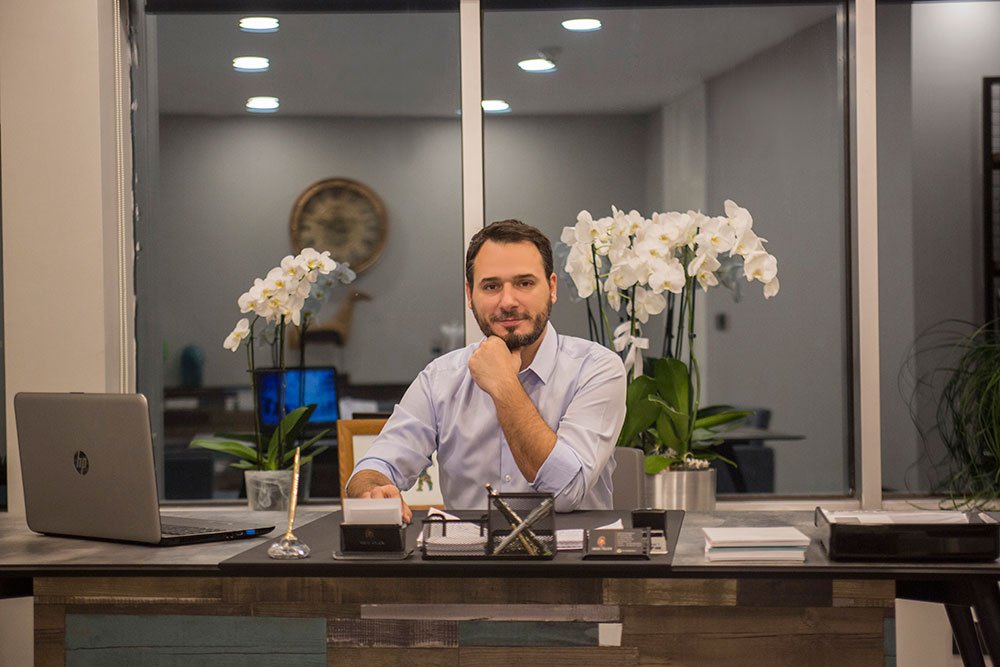
ENT Surgeon · Reconstructive & Functional Nose Surgery · İstanbul, Turkey
Primary nose reshaping by an ENT surgeon — shape and breathing planned as one.
Learn more → SECOND CHANCECorrect and rebuild the nose after a previous operation elsewhere.
Learn more → BREATHE BETTERSeptoplasty can help correct a deviated septum, improving nasal airflow, breathing comfort, and overall nasal function.
Learn more →Tell us your symptoms and send a few photos for an honest first opinion on whether your perforation can be closed — and an indicative price — within one working day, in English, German or Turkish. No deposit, no obligation.


